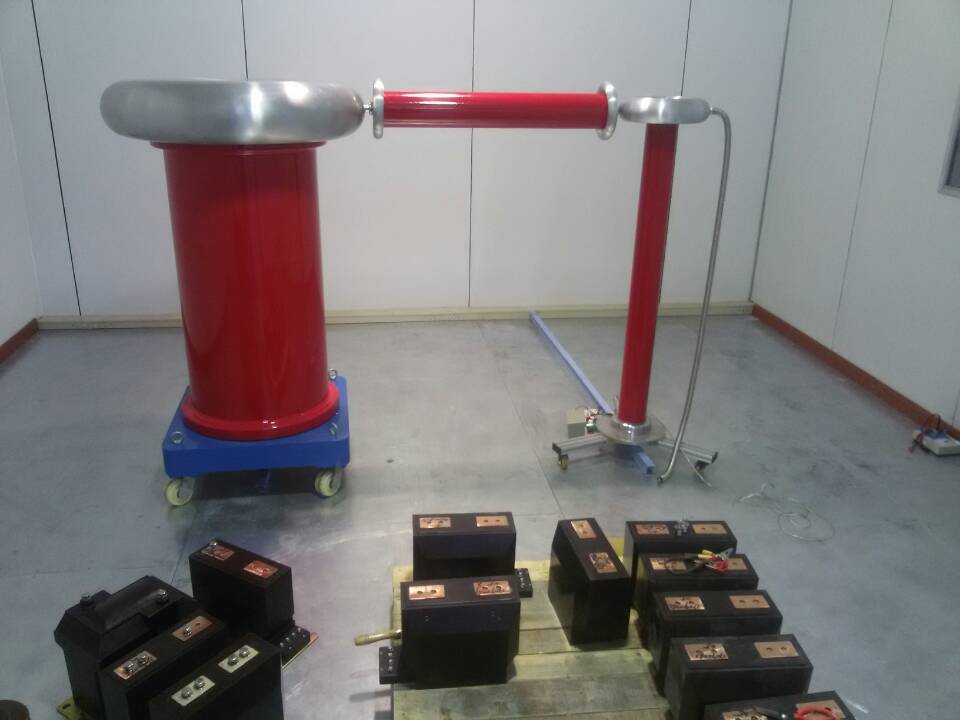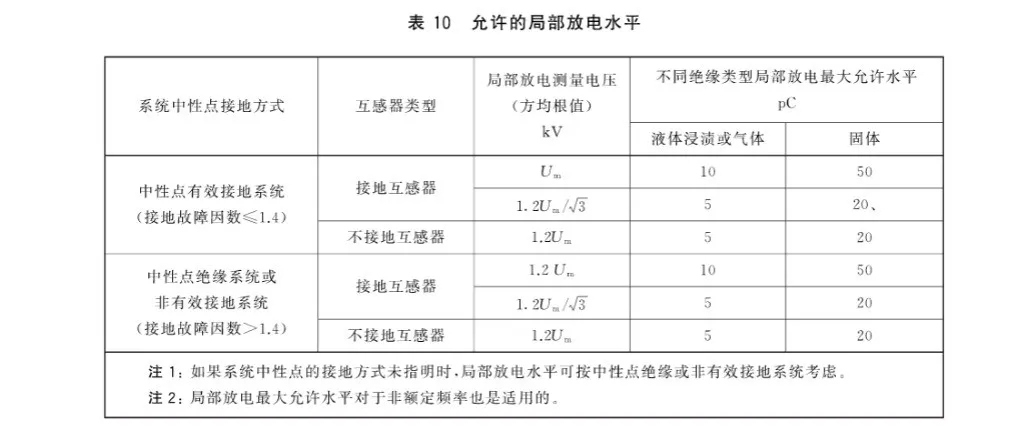
Product Introduction: Partial-Discharge Shielded Rooms
Preface: As the power industry has developed and matured over many years, the quality requirements for equipment operating on the grid have continued to rise. High-voltage electrical-equipment manufacturers are continually improving their production and test conditions. In recent years, more and more manufacturers have begun building partial-discharge shielded test rooms—not only to improve the long-term operating quality of their products, but also as a reflection of standardized and people-oriented modern enterprise management.
Preface
As the power industry has developed and matured over many years, the quality requirements for equipment operating on the grid have continued to rise. High-voltage electrical-equipment manufacturers are continually improving their production and test conditions. In recent years, more and more manufacturers have begun building partial-discharge shielded test rooms—not only to improve the long-term operating quality of their products, but also as a reflection of standardized and people-oriented modern enterprise management.
There are two common types of partial-discharge shielded test rooms: modular and welded. A modular room is assembled from steel-plate modules using screws, while a welded room is made by welding steel plates to a framework. When deciding to build a partial-discharge shielded test room, which type should a user choose? Drawing on Jiangsu Xinya’s many years of project experience, the following is a brief comparison of the two types in terms of sheet material, module fabrication, production process, construction schedule, manufacturing cost, and test-room dimensions. We hope it will serve as a useful reference.
Comparison of the Advantages and Disadvantages of Modular and Welded Shielded Rooms
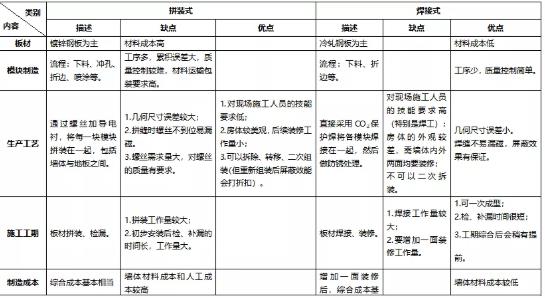
- Sheet material
Comparison of modular and welded types
Modular: Primarily uses galvanized steel sheet, with relatively high material costs.
Welded: Primarily uses cold-rolled steel sheet, with relatively low material costs.
- Module fabrication
Comparison of the two manufacturing processes
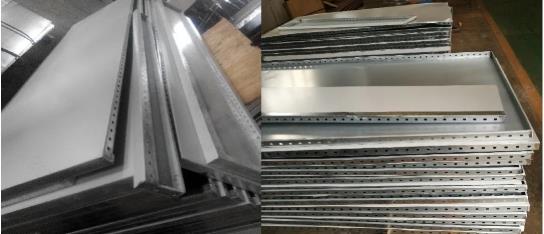
Modular: The manufacturing process mainly includes blanking, punching, edge folding, and coating. It involves relatively many steps, has large cumulative tolerances, is difficult to quality-control, and places high requirements on material transport and packaging.
Welded: The manufacturing process mainly includes blanking and edge folding. It involves relatively few steps and is comparatively easier to quality-control.
- Installation process
Differences between the two processes
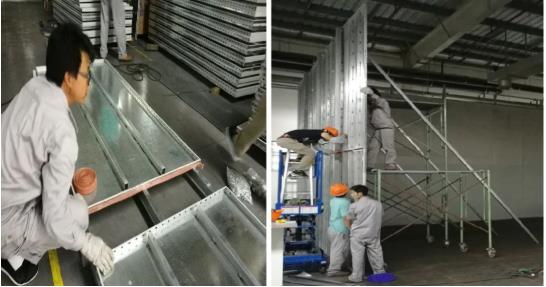
Modular: Each module is assembled using screws and conductive gaskets, including the joints between the walls and floor. On-site workers need less specialized skill; the completed room looks better, and finishing work is limited. The room can also be dismantled, relocated, and assembled again for reuse (although its shielding performance must be readjusted after reassembly). However, there are several points to watch: dimensional tolerances can be relatively large; screws that are not properly tightened during assembly can cause magnetic leakage; and many screws are required, with high quality requirements.
Welded: The steel plates are welded together directly using carbon-dioxide shielded welding and then treated for rust prevention. This method requires greater skill from on-site workers, especially welders. The finished room has a poorer appearance and must be ground and derusted, and both the inside and outside of the walls require finishing. In addition, once built, the room is difficult to dismantle and reuse. However, this method also has advantages: dimensional tolerances are small, weld seams are less prone to magnetic leakage, and shielding performance is easier to ensure.
- Construction schedule
Comparison of the time required for the two types
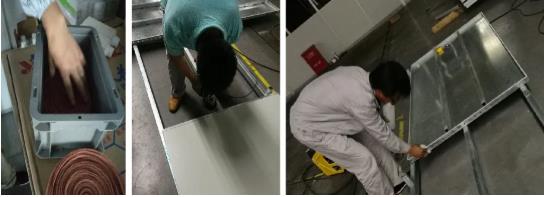
Modular: Work mainly includes assembling the panels, detecting magnetic leakage, and sealing leaks. Assembly requires considerable work and several people to assemble and adjust the room together. After the initial installation is complete, leak detection and sealing can take a relatively long time.
Welded: Work mainly includes welding and finishing. Welding requires considerable work, and after construction, finishing one more surface takes longer than for a modular room. However, welded construction can be completed in one pass, and leak detection and sealing take less time. Taking the overall schedule into account, a welded room of the same dimensions may take less time to build.
- Manufacturing cost
Material and labor costs
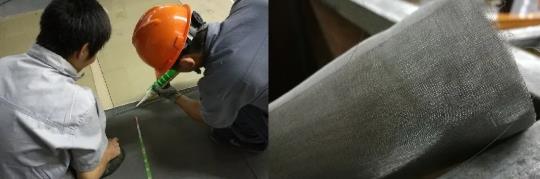
Modular: Wall-material and labor costs are relatively high.
Welded: Wall-material costs are relatively low, but finishing costs must be added.
- Test-room dimensions
Related to indoor height requirements
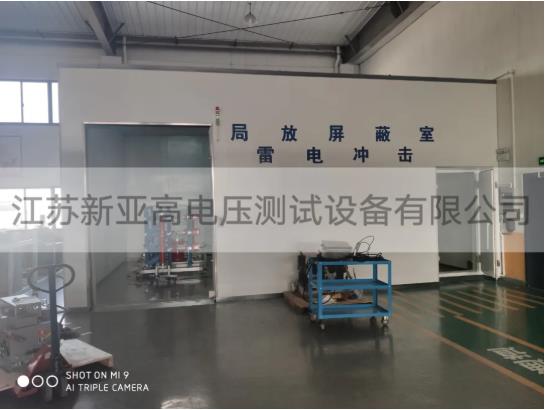
Modular: Suitable for projects of various dimensions.
Welded: Suitable for projects that do not have high indoor-height requirements.